
FOOD IS MEDICINE by Dr. Robert Oh – updated March 2023
“Let food be thy medicine and medicine be thy food.” Hippocrates
Food Choices should focus on real foods that are minimally processed. I call them God made (found in nature) vs. man-made. Whether you just want to eat better or you have metabolic syndrome, Diabetes (Type 1 or 2), High Blood Pressure, or heart disease (coronary disease, strokes) most Americans can improve their health and disease by eating real food that is minimally processed. So, where do we start? If you start with these steps sequentially you will be on your way to health!
# 1: EAT REAL FOOD Food that is minimally processed is real food. What’s naturally found in nature? That’s real food. I also call this God-made foods. Can you find this food 2,000 years ago? If so, then it’s probably ok to eat. Also called the Great-Grandmother test – pre-industrial revolution. Can you find this food in the 19th century? If so, it’s probably ok to eat. Did we process or change it? Then it is something we did to the naturally found food. So, food should be minimally processed, recognizable, locally sourced and without much chemicals.
#2: EAT MORE PLANTS (that grow above the ground). Not just salad. Eat nutrient dense vegetables such as: Broccoli, Kale, Cauliflower, Brussel sprouts, Spinach, Green Beans. These are “Free”, and you can eat as much as you want! For most people, carrots are generally fine as long as you don’t eat it in a carrot cake!
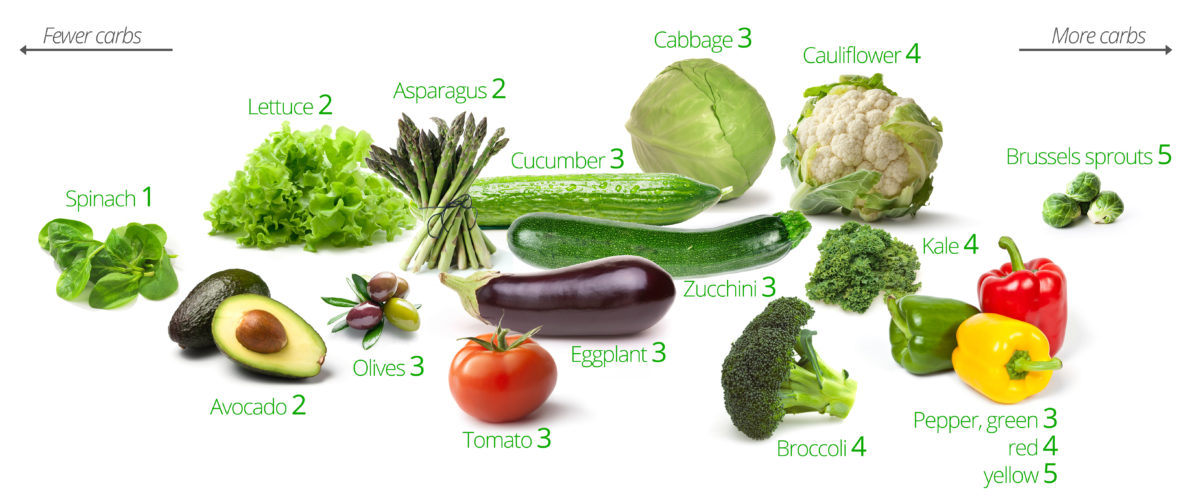
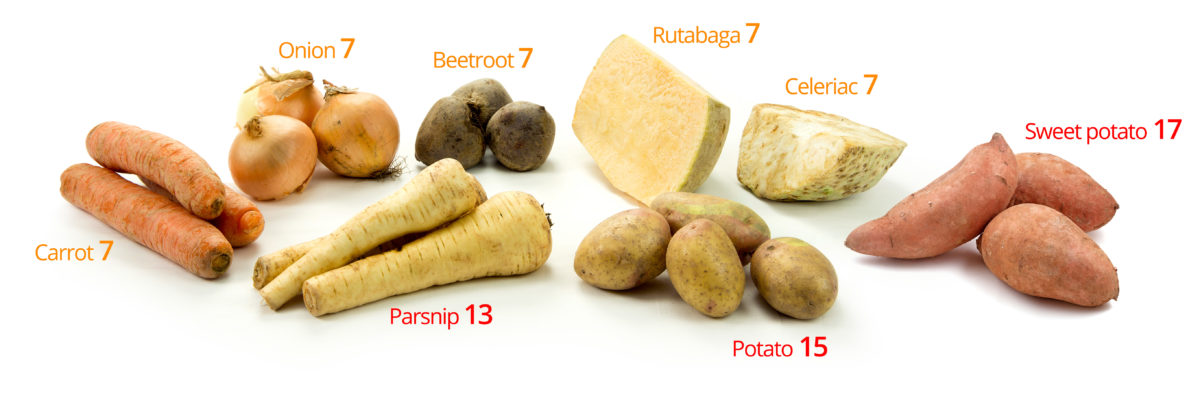
#2b. RESTRICT STARCHY VEGETABLES: For those with metabolic syndrome, Type 2 Diabetes, most will have to limit starchy vegetables that grow primarily under the ground. These are foods that are easy to overeat. In the first few weeks, you will want to eliminate all of these until you can control your health.
(photo from http://www.dietdoctor.com)
3. ELIMINATE SUGAR AND REFINED CARBOHYDRATES: Processed packaged foods, products with added sugar, all grains that are not whole grains (white rice, white pasta, white bread, enriched wheat bread, etc) are all highly processed. Minimize this. Only as a TREAT. TREAT= RARE. If you are having ice cream every day as a treat…sorry it’s not a TREAT. And don’t say “moderation.” Studies have shown that “moderation” is just an excuse to eat more crap. Nobody says, “I’m going to eat broccoli in moderation.” Nobody thinks we should smoke in “moderation”, or do cocaine in moderation, why eat candy in “moderation” if there’s absolutely no health benefit? Say what it is..I’m going to TREAT myself today..it’s my birthday, it’s a celebration my children. Trust me, if you treat your TREATS as that, oh you will savor it greatly and get more enjoyment out of it!
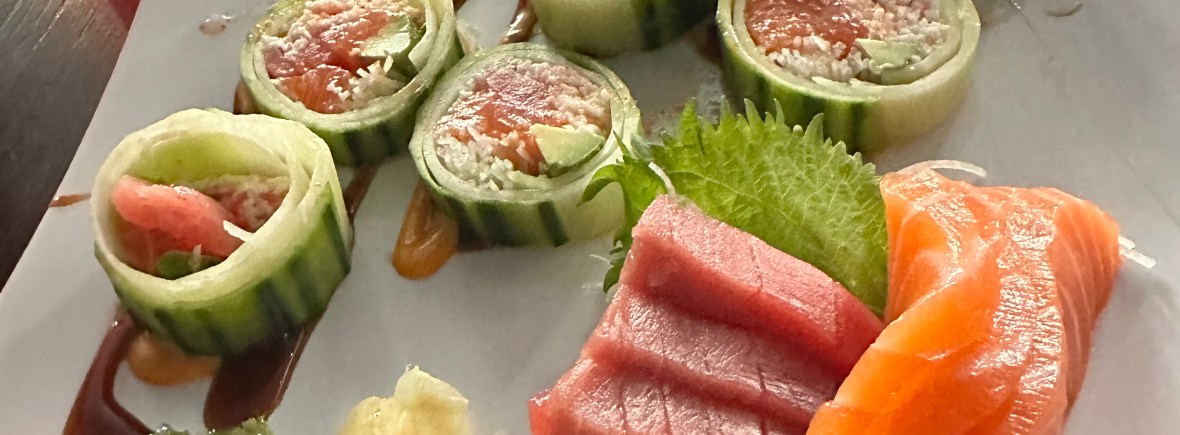
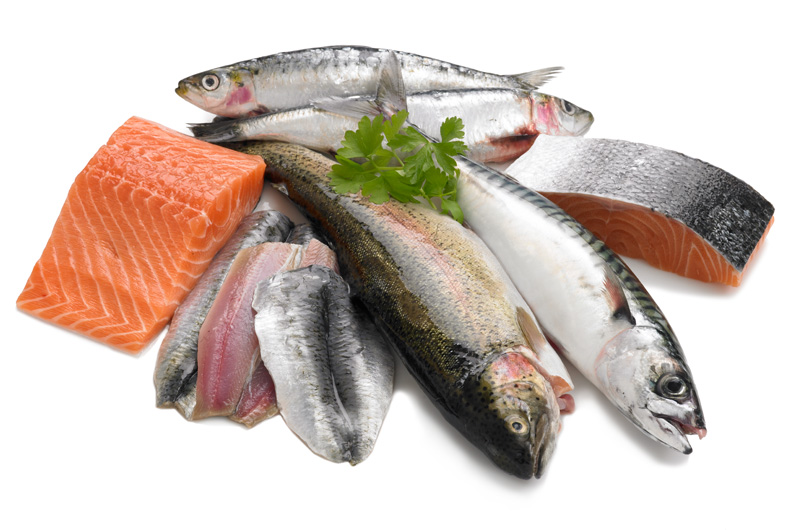
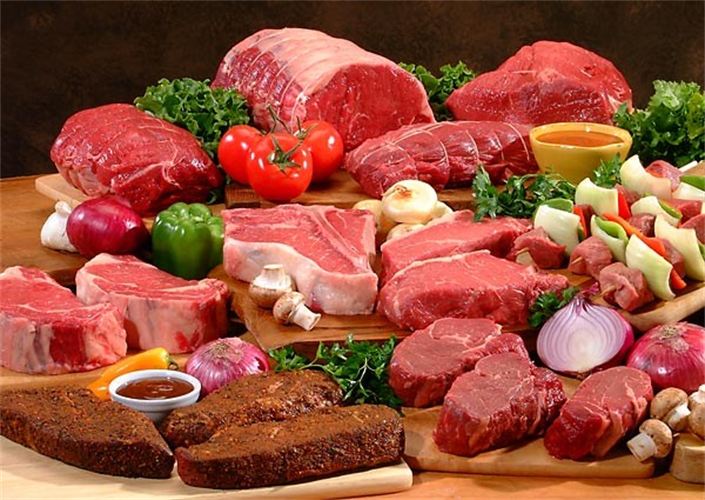
4. EAT FISH, SEAFOOD, MEAT and EGGS. Yes, seafood, meat and eggs are a great source of protein and vitamin b12, which you can only get from animal food products. If raised naturally, ie. Wild fish, pasture/grass fed cows, then it will have higher ratio of healthy omega-3 fats. Wild salmon is also one of the only food found in nature that is super rich in omega-3 fatty acids. But, isn’t meat high in saturated fats? Yes, but there are LOTS of controversy with saturated fats, and many of the new studies starting to debunked the relationship between saturated fats and heart disease. Checking your LDL cholesterol can help determine how your body responds to meat. You can also stick to lean meats if you have documented heart disease.
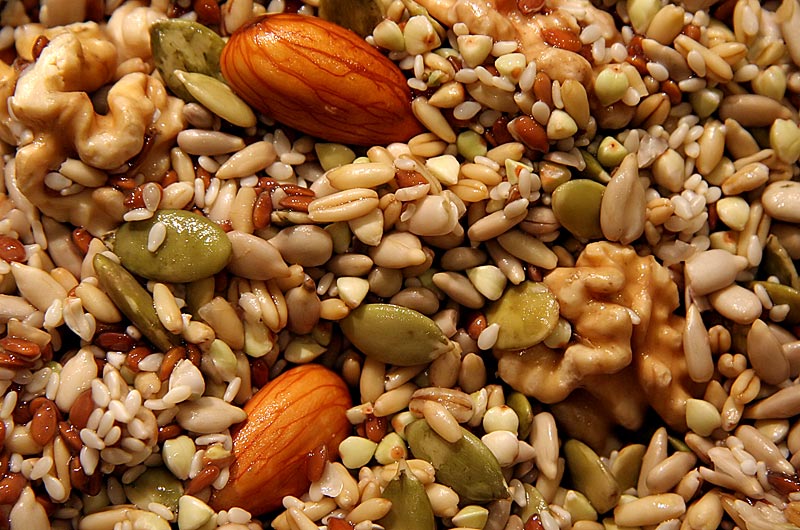
5. Go Nuts on Nuts and Seeds
Nuts and seeds are a great source of healthy fats and are high in protein. Not allergic? Go nuts on nuts. Even peanuts (which are a legume/bean, and not a nut) are ok to eat. These are plant based version of fatty acids, which are basically alpha-linolenic acid (ALA) which converts into omega-3 fatty acids (in a ration of 20:1). This means you have to have 20gms of ALA to convert to 1 gm of omega-3 fatty acids. If you are trying to lose weight, it is easy to overeat nuts so stick to a handful a day and you’ll be fine.
6. Add some Dairy
Cheese, Greek Yogurt (plain), butter. There’s been no link to these dairy products and heart disease or obesity. Dr. Ludwig dissects the current evidence here. These are generally fine, and they are naturally rich in calcium. Newer studies link whole fat dairy to be generally predictive of LOWER risk of Type 2 Diabetes. A great lower carb milk is Fairlife milk (Red, or blue bottle), which is half the sugar, is lactose free and is available at the commissary and Walmart. If you have any concerns on LDL, then you can stick to the reduced fat milk.
7. Don’t forget the Fats and Oils
Again, don’t fear the fat. We’ve been brainwashed in thinking that fat is bad for you. Well, it’s not. While there are some controversy on meat based fats (which can be high in saturated fats) , there really is less controversy with the healthy oils. Time and time again, extra-virgin olive oil (EVOO) has shown to be healthy. So, my advice…load up on EVOO. This will provide healthy fats (primarily monounsaturated fats) that has been shown in the PREDIMED diet to be part of a healthy dietary pattern. How about other oils? I am not too crazy with processed vegetable oils. Stick with cold pressed (virgin) oils. To name a few, these are: extra-virgin olive oil, sesame seed oil, coconut oil, avocado oil. Try to AVOID: soybean oil (yes, it’s in everything, so it’s hard to do, but I think in the long run, this will be better for your health).
8. Fruits for Desserts
To start, if you have metabolic disease (Type 2 Diabetes, metabolic syndrome, etc.) stick with berries for now. Berries (strawberries, raspberries, blackberries) are low in fructose (type of sugar found in fruit), but high in natural fiber. These are ok to have! Other great fruits: avocados, tomatoes(yes they are fruits). If you don’t have cardiometabolic risk (i.e. metabolic syndrome, diabetes), fruit is generally fine. If anything, try to eat it in its natural form. Don’t peel kiwis (tons of fiber in the skin, and yes you can eat it), eat the apple skin, pear skin, etc. Please, specifically…don’t DRINK IT! People can overdo it with “healthy smoothies”, and 100% fruit juice, thinking that this is healthy for them.
Tropical fruits such as: pineapple, mango, banana and other higher glycemic index fruits (watermelon) should be minimized in those with Type 2 Diabetes, Metabolic syndrome, and increased cardiometabolic risk. These have high fructose (sugar found in fruit) and less fiber since you don’t eat the skin in these fruits. Again, if you have any cardiometabolic risk (metabolic syndrome, pre-diabetes), it is best to eat the fruit whole.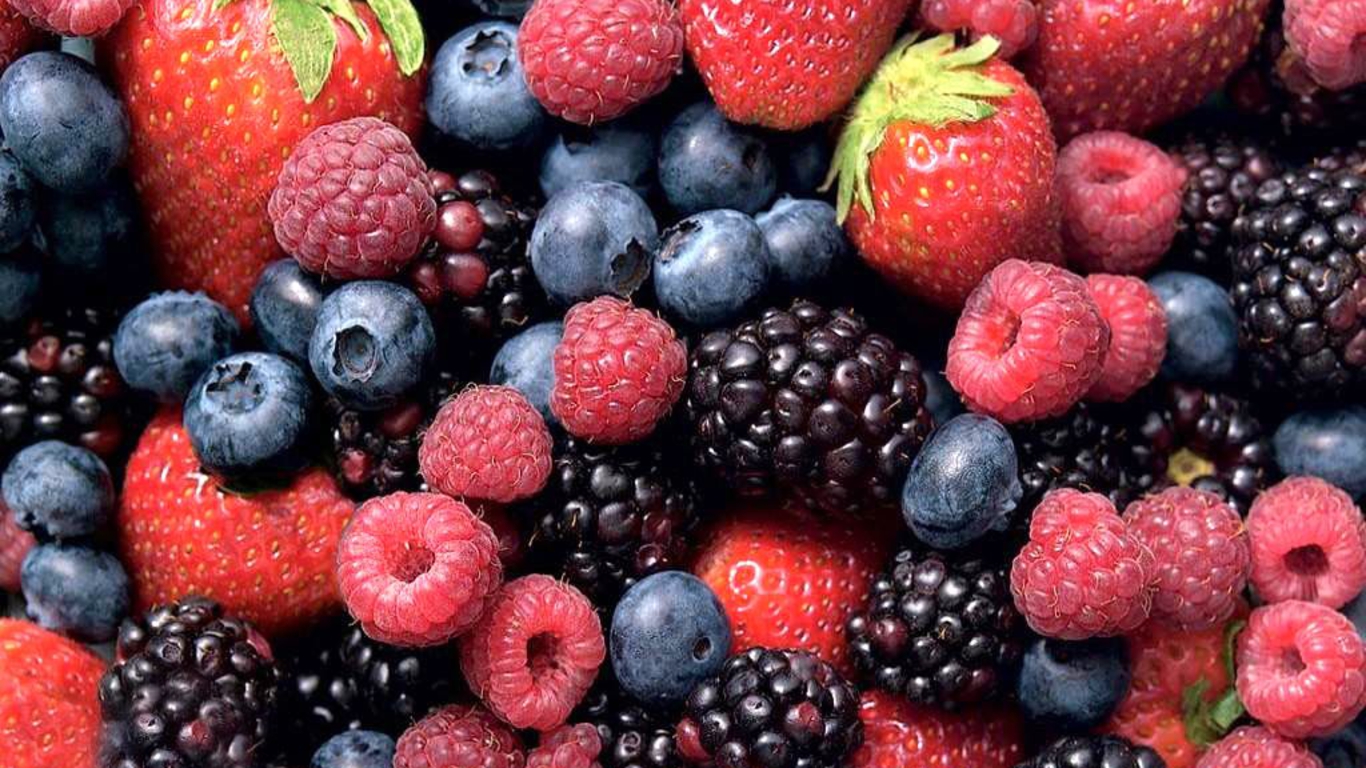
10. Be Mindful of Whole Grains and Legumes –
If you don’t have cardiometabolic disease then whole grains can be part of a healthy diet. Be careful what it means by whole grains. Use the app FOODUCATE to help determine if whole grain is really whole grains. Read the package label. Bread should be whole grain, flour should be wheat flour, rice should be wild/brown, pasta should be 100% whole wheat. Please be careful here..lots of misinformation to fool you to buying. If it says, “enriched wheat” or you see vitamins added, that’s a tell tale sign that it’s been adulterated with processed grains. For example..did you know that the Multigrain Cheerios has more added sugar than regular Cheerios? Which is healthy? (hint…neither!) AVOID if you can! There may be something to be said about “ancient grains.” If you have Diabetes, or Metabolic syndrome, these may have to be avoided for a time until your blood pressure, diabetes and high triglycerides improve.
Do you have Metabolic Syndrome, Prediabetes, Type 2 Diabetes?
Those with cardiometabolic risk, Type 2 Diabetes, Metabolic Syndrome, PreDiabetes, etc, may need to fine tune their nutrition. I prescribe to the low-carb, very low-carb/ketogenic diet. Basically, carbs (and less so protein) increases insulin. High loads of insulin can lead to insulin resistance. How do we then treat insulin resistance (Pre-diabetes, Type 2 Diabetes, PCOS, etc)? By lowering insulin by watching the carb count. Simplistic, but very effective. Remember it is the QUALITY of carbs and the sheer number. So, start carb-counting. Use apps such as MyFitnessPal to help show the # of carbs. Also from packages, take the Total carbs minus the fiber = digestible carbs. If you are looking at weight loss, then use total carbs and get it under 100 gm or even better, 50 gm a day
Remission/Reversal of Type 2 Diabetes
Yes, you can do it! Generally remission has been shown to be done through a very low carb ketogenic diet (VLKD) and coaching. The Virta Health studies has demonstrated sustained > 2 years of remission through a VLKD and yes, so you can do it too! If you are on medications, you should be medically supervised to help you de-prescribe medications as you reverse your insulin resistance.
Low Carb Definition – this is vary and all over the place, but to make it easy I define it as below:
Very low (ketogenic): 50gms or less
Low-carb: Less than 100 gms
Moderate Low-carb: Less than 150 gms
Goal for you would be 50-100 gm of total carbs for a very low to low carb diet. Use FOODUCATE or other apps to find out what foods have added sugar.
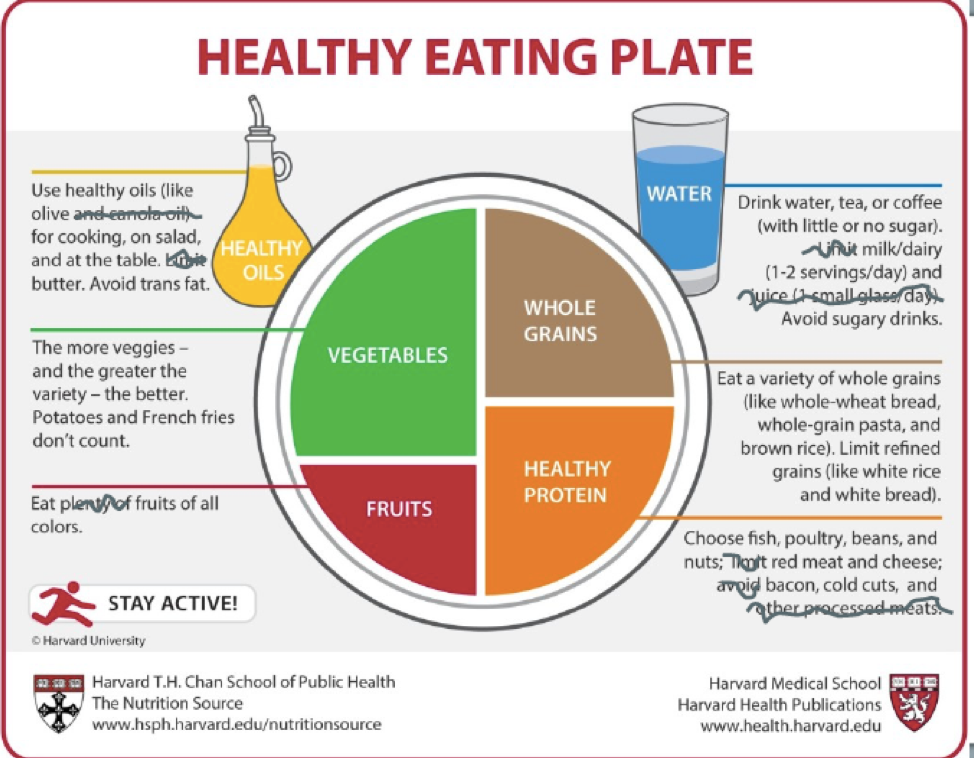
Healthy Eating Plate (modified)
REFERENCES TO REVIEW
- Dr. Sarah Hallberg YouTube Video http://tedxtalks.ted.com/video/Reversing-Type-2-Diabetes-Start
- Dr. Sarah Hallberg NY Times artice: http://www.nytimes.com/2016/09/11/opinion/sunday/before-you-spend-26000-on-weight-loss-surgery-do-this.html?_r=0
- Dr. David Ludwig, MD. https://www.drdavidludwig.com/ (Harvard professor, and endocrinologist)
- Diet Doctor. https://www.dietdoctor.com/low-carb
- http://www.sugarscience.org
- My blog. https://robertohmd.wordpress.com
- Magic Pill – movie on Netflix – (a bit sensationalized but moving stories of people reversing disease through lowcarb – keto.
MEDICAL REFERENCES
- de SouzaRussell J, MenteAndrew, MaroleanuAdriana, CozmaAdrian I, HaVanessa, KishibeTeruko et al. Intake of saturated and trans unsaturated fatty acids and risk of all cause mortality, cardiovascular disease, and type 2 diabetes: systematic review and meta-analysis of observational studiesBMJ 2015; 351 :h3978.http://www.bmj.com/content/351/bmj.h3978?trendmd-shared=0
- Chowdhury R, Warnakula S, Kunutsor S, et al. Association of Dietary, Circulating, and Supplement Fatty Acids With Coronary RiskA Systematic Review and Meta-analysis. Ann Intern Med2014;160:398-406. CrossRefMedlineWeb of Science
- Harcombe Z, Baker JS, Cooper SM, et al. Evidence from randomised controlled trials did not support the introduction of dietary fat guidelines in 1977 and 1983: a systematic review and meta-analysis. Open Heart2015;2:e000196. Abstract/FREE Full Text
- Siri-Tarino PW, Sun Q, Hu FB, Krauss RM. Meta-analysis of prospective cohort studies evaluating the association of saturated fat with cardiovascular disease. Am J Clin Nutr2010;91:535-46. Abstract/FREE Full Text
- Teicholz, N. The scientific report guiding the US dietary guidelines: is it scientific? BMJ 2015; 351 :h5686. http://www.bmj.com/content/351/bmj.h5686
- Imamura F, Fretts A, Marklund M et al. Fatty acid biomarkers of dairy fat consumption and incidence of type 2 diabetes: A pooled analysis of prospective cohort studies. PLoS Med 2018;15:e1002760. PMID: 30303968. https://doi.org/10.1371/journal.pmed.1002670.

 Robert Oh, MD, MPH